

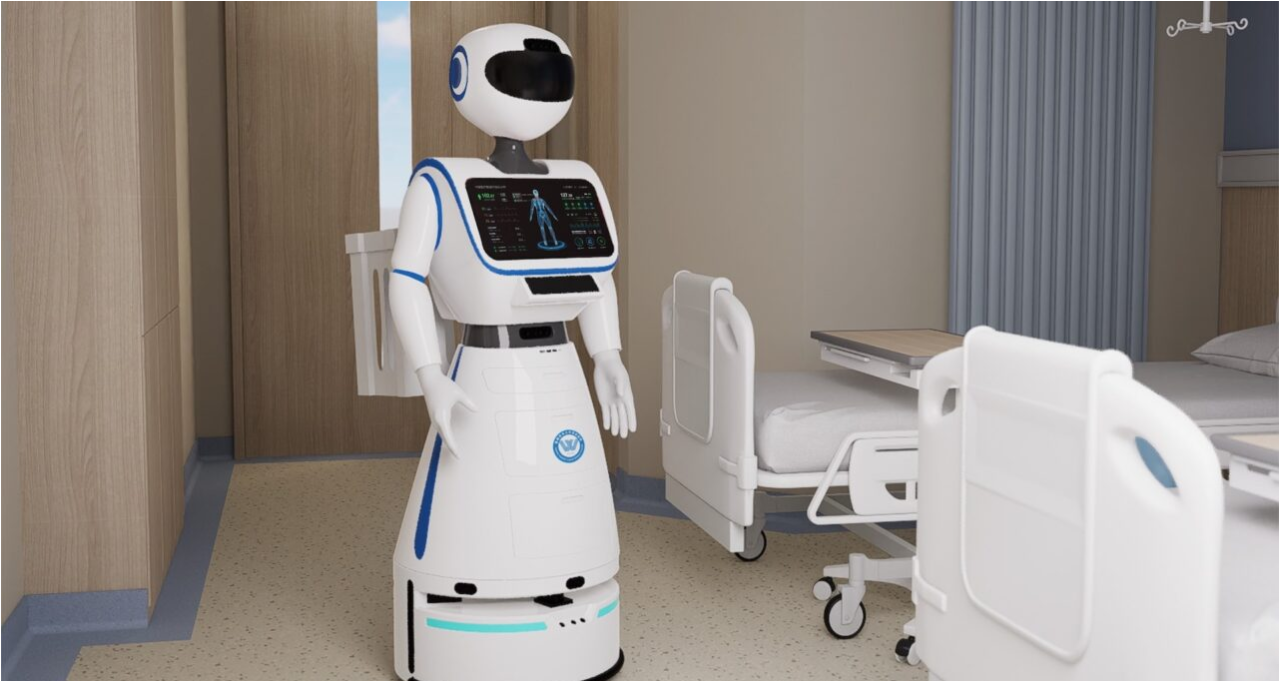
This robot enables contactless assessment of Mild Cognitive Impairment (MCI) based on objective physiological indicators. Equipped with a self-developed high-precision eye-tracking module, it can complete a contactless cognitive assessment within 5 minutes through gaze-based mini-games, thereby facilitating the early detection and intervention of diseases such as Alzheimer’s disease. Currently, this robot has been put into application at Xuanwu Hospital of Capital Medical University in Beijing.
Traditional cognitive assessment tools are unable to support large-scale MCI screening.
A new case of Alzheimer’s disease is diagnosed worldwide every 3 seconds, and age-related cognitive decline has become a severe public health challenge in China. As of 2024, the population aged 60 and above has exceeded 300 million, among which approximately 38.77 million people suffer from Mild Cognitive Impairment (MCI). The prevalence of Alzheimer’s disease (AD) among people aged 65 and above is as high as 10% to 30%. Early detection and intervention are one of the crucial measures to slow the progression of MCI to AD.
Currently, commonly used scale-based cognitive assessment tools such as MoCA and MMSE require one-on-one administration by experienced nurses, with each assessment typically taking more than 25 minutes. Furthermore, scale-based methods are highly susceptible to subjective factors in MCI detection, resulting in limited sensitivity and specificity. In contrast, biomarker-based detection technologies, despite their high accuracy, involve invasive procedures and high costs, making them unfeasible for large-scale implementation. Therefore, there is an urgent need for an efficient, objective and non-invasive assessment tool to support large-scale MCI screening and intervention efforts.
Embodied Robot Screeners Enable Autonomous Cognitive Assessment
Based on the precise grasp of clinical demands for fully automated MCI assessment in the industry by the National Clinical Research Center for Geriatric Diseases at Xuanwu Hospital of Capital Medical University, Hangzhou Badibo Robotics has developed CogniBot-XW, a next-generation embodied robot screener solution, leveraging the powerful computing power of NVIDIA Jetson AGX Orin. This solution can provide bedside cognitive assessment services for the elderly without the guidance of medical staff. Tests have shown that CogniBot-XW can significantly reduce nurses’ workload, automate repetitive and time-consuming cognitive assessment processes, and offer emotional support to the elderly through a locally deployed Large Language Model (LLM).
CogniBot-XW adopts an integrated task parsing framework and can understand natural language instructions by combining with the LLM locally deployed on the Jetson platform. The system can decompose complex instructions (e.g., conducting a cognitive assessment) into a sequence of navigation and operational actions; for general conversational queries, the on-board LLM can provide intelligent responses directly.
CogniBot-XW is the only robot on the Chinese market that can deliver fully automated, physiological indicator-based cognitive assessments for the elderly. Co-developed by Hangzhou Badibo Robotics and medical experts from the Department of Geriatrics at Xuanwu Hospital of Capital Medical University, the product has undergone extensive validation in clinical scenarios. It has won the Technological Innovation Award at the Beijing Intelligent Health Care Robot Competition and been selected into the Top 10 Robot Application Scenarios in Beijing’s Medical and Health Field (Health Management Scenario).
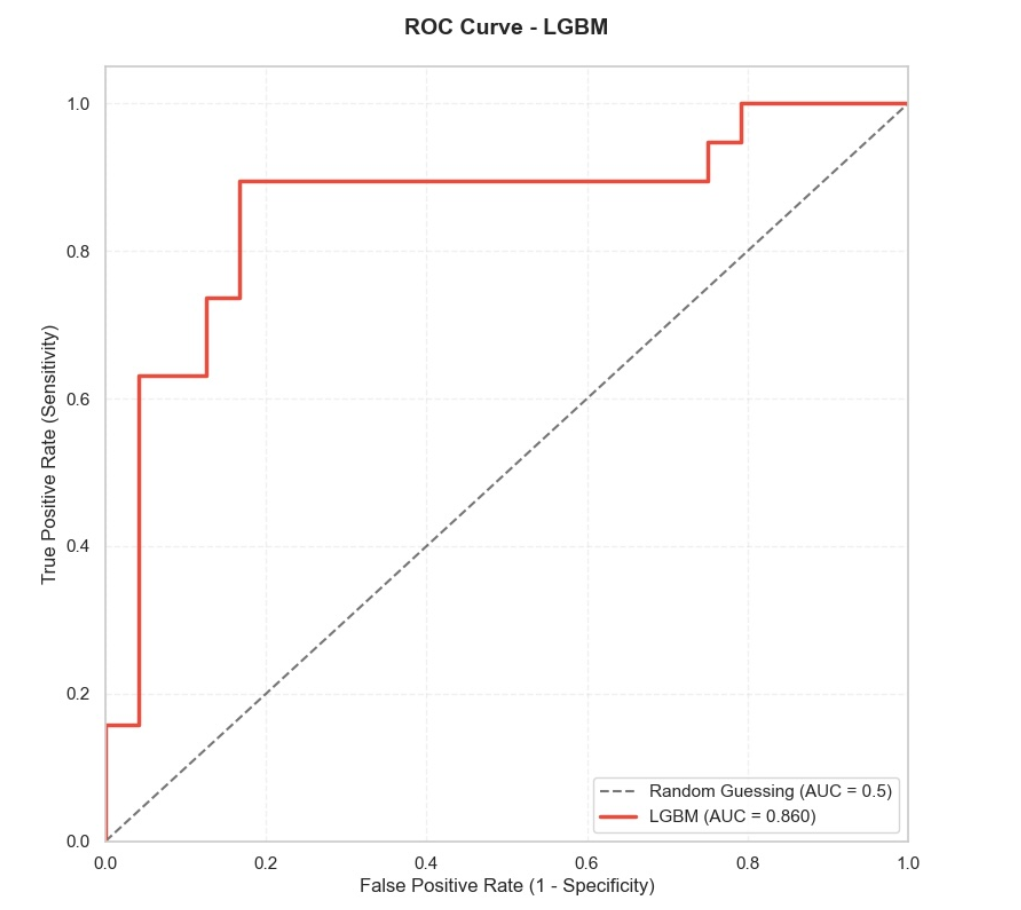
CogniBot-XW: 80% Efficiency Improvement with 86% Consistency with Gold Standard Assessment Results
80% higher efficiency: The embodied robot screener can complete an automated, objective, physiological indicator-based cognitive assessment within 3–5 minutes, which is significantly superior to the manual MoCA/MMSE scale tests that take about 25 minutes.
Gamified task design: Ensuring elderly users with different educational levels can participate with ease.
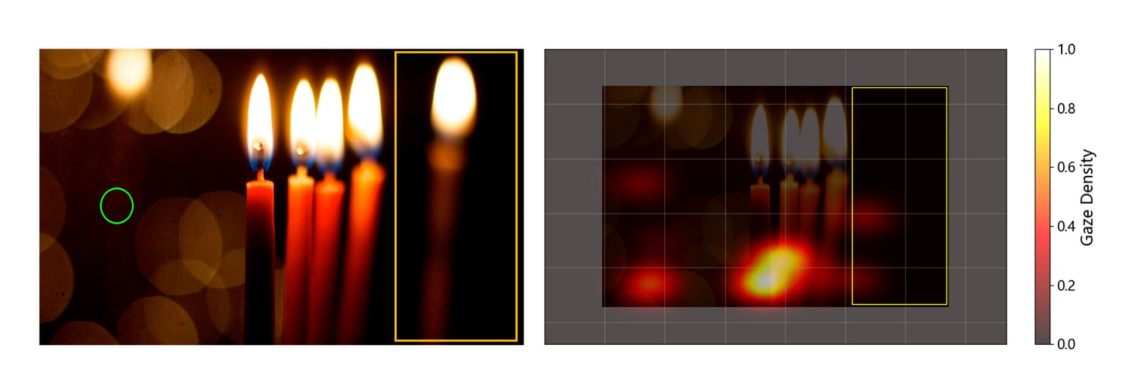
Fully autonomous operation: Navigates to the designated bedside for assessment without medical staff intervention.
Clinically validated for efficacy: Achieves 86% consistency with MoCA assessment results.
Reduced operational workload
While ensuring the accuracy of cognitive assessments, it significantly lightens the workload of medical staff.
Statement by Li Jing, Director of the Department of Geriatric Medicine (General) at Xuanwu Hospital of Capital Medical University
"Developed to meet the clinical needs of the Department of Geriatric Medicine at Xuanwu Hospital of Capital Medical University, the CogniBot-XW robot has delivered outstanding performance in scenario validation at the National Clinical Research Center for Geriatric Diseases of Xuanwu Hospital, and can effectively replace traditional scale screening. Its on-premises deployed large model ensures data privacy; the fully automated bedside MCI assessment can significantly reduce the workload of medical staff, and its humanoid form is also more popular among elderly patients."
To enhance the capability of CogniBot-XW to cover full-scenario tasks, Hangzhou Badibo Robotics is developing functions including an AD screening agent, autonomous ward door opening and closing by embodied robotic screeners, vision-based gait analysis, and guided hand rehabilitation training. In addition, the company plans to continue cooperating with Xuanwu Hospital to jointly develop an LLM-driven "Digital Physician" for ward rounds, which is designed to support clinical ward rounds, automated nutritional assessment, and provide interactive services with emotional perception capabilities.